Bongsub Song

Research Portfolio of Bongsub Song, Ph.D. Researcher at ETRI specializing in Robotics, Reinforcement Learning and Field Robotics.
A Hybrid Gripper with Electro-adhesive Film for Variable Friction
Journal: Sensors and Actuators A: Physical, 2024
Authors: Bongsub Song, Younghun Su, Jingon Yoon, Baek-Jin Kim*, Dongwon Yun*
DGIST, South Korea · KITECH, South Korea
Funding: MOTIE (10077643), KITECH (EH-23-0024)
Abstract
In recent years, gripper technology has gained attention in robotics for reliably handling objects with delicate and complex shapes. While much of the existing research has focused on improving electro-adhesion through advancements in EA film and nanoparticle modifications, this study takes a different approach by integrating electro-adhesion as an auxiliary function within a mechanical gripper. This integration allows for a novel hybrid gripper that uses electro-adhesive force to reduce the required normal force during gripping, thereby improving the handling of challenging objects. We thoroughly analyzed the gripper’s geometric design, along with its kinematic and mechanical properties. Our study also examined crucial performance parameters, such as nanoparticle content, composition, and electrode design, to optimize the generation and maintenance of electro-adhesion. To confirm performance, the developed gripper was affixed to a UR3 robotic manipulator and gripping experiments on assorted objects, as well as anti-slip control experiments, were carried out. The results demonstrated that the integration of electro-adhesive force with a mechanical gripper significantly enhances gripping capability, particularly in terms of slip control and friction variation.
Research Highlights
- Hybrid Gripper Design: Novel hybrid combining mechanical and electro-adhesive forces to enhance gripping capabilities.
- Versatile Object Handling: Demonstrated gripping of polypropylene, LDPE, aluminum, and paper.
- Energy Savings: Up to 23% energy savings when using the electro-adhesive film vs. traditional gripping.
- Slip Prevention: PI feedback controller reduces object slip by 21.5% during manipulation.
- Increased Friction: Electro-adhesive film increases friction coefficient, enabling heavier objects to be handled with less normal force.
Graphical Abstract
Gripper Design & Kinematics
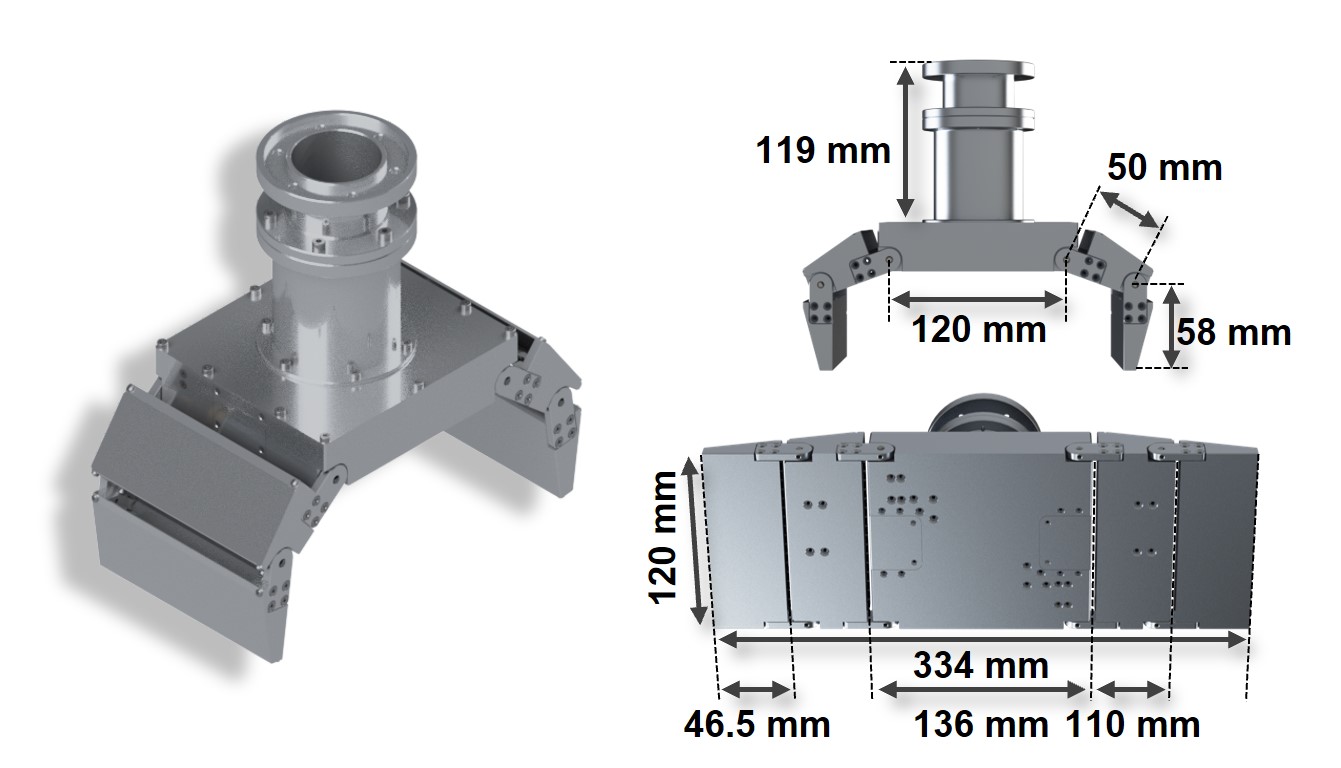
Fig. 1 — Gripper outline and dimensions. Two-fingered gripper with two joints each, driven by four DC motors. Material: aluminum 6061.
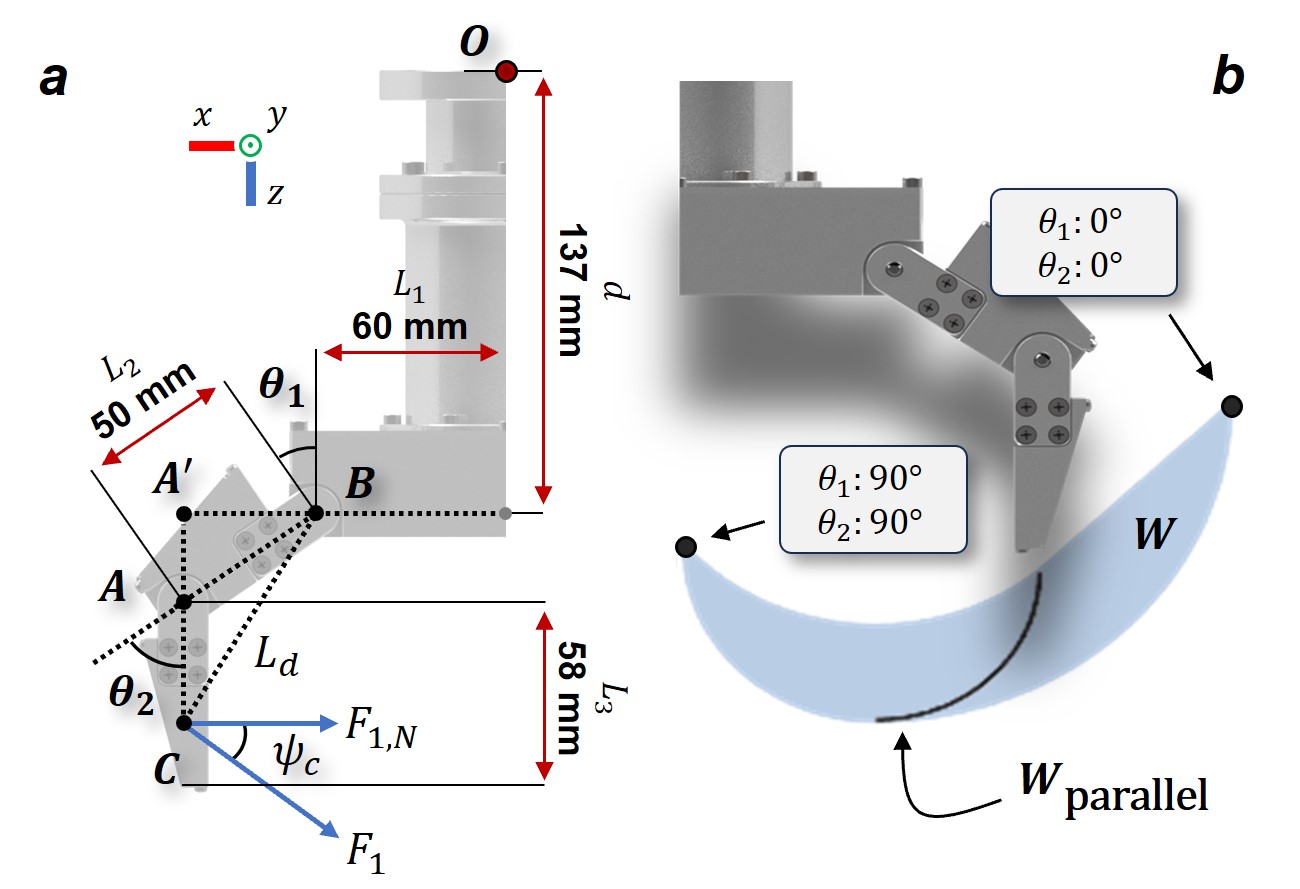
Fig. 2 — Geometric diagram and workspace of the gripper. The constrained workspace W_parallel ensures end links always move in parallel, minimizing the peeling effect of the EA film.
Electro-adhesive Film Design
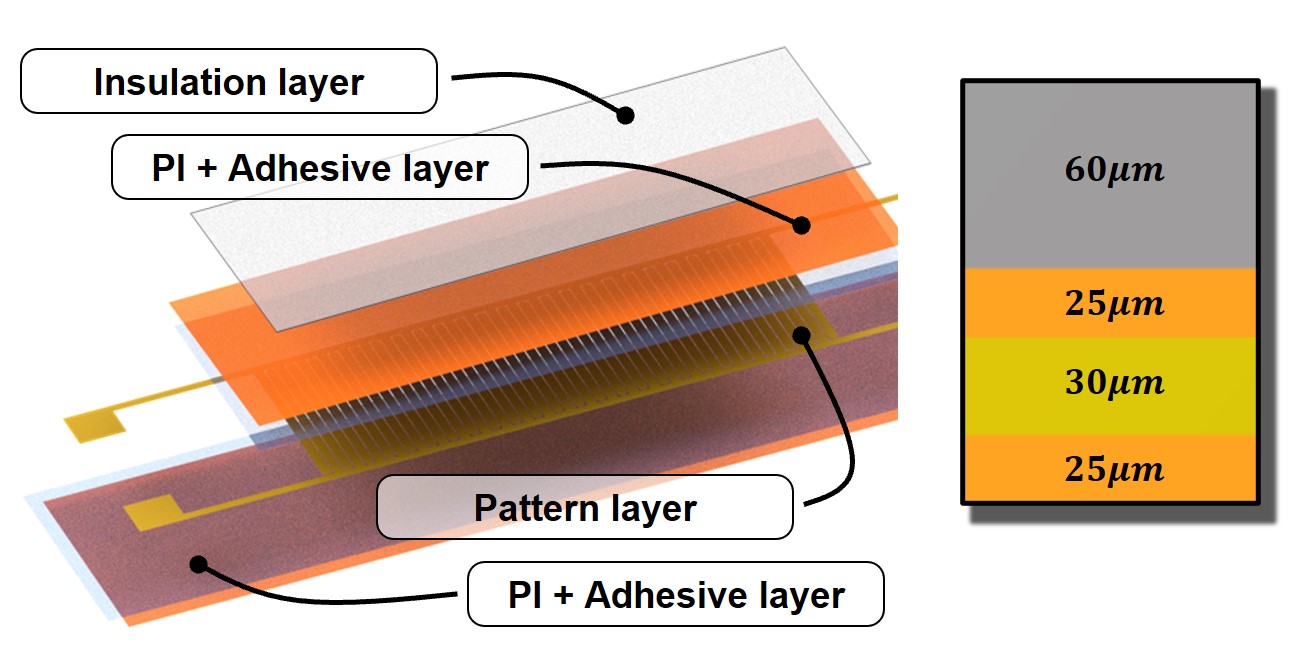
Fig. 3 — Layer configuration of the electro-adhesive film. Three-layer structure: polyimide base (25–30 μm), copper electrode pattern (30 μm), and PDMS/nanoparticle insulation layer (60–70 μm).
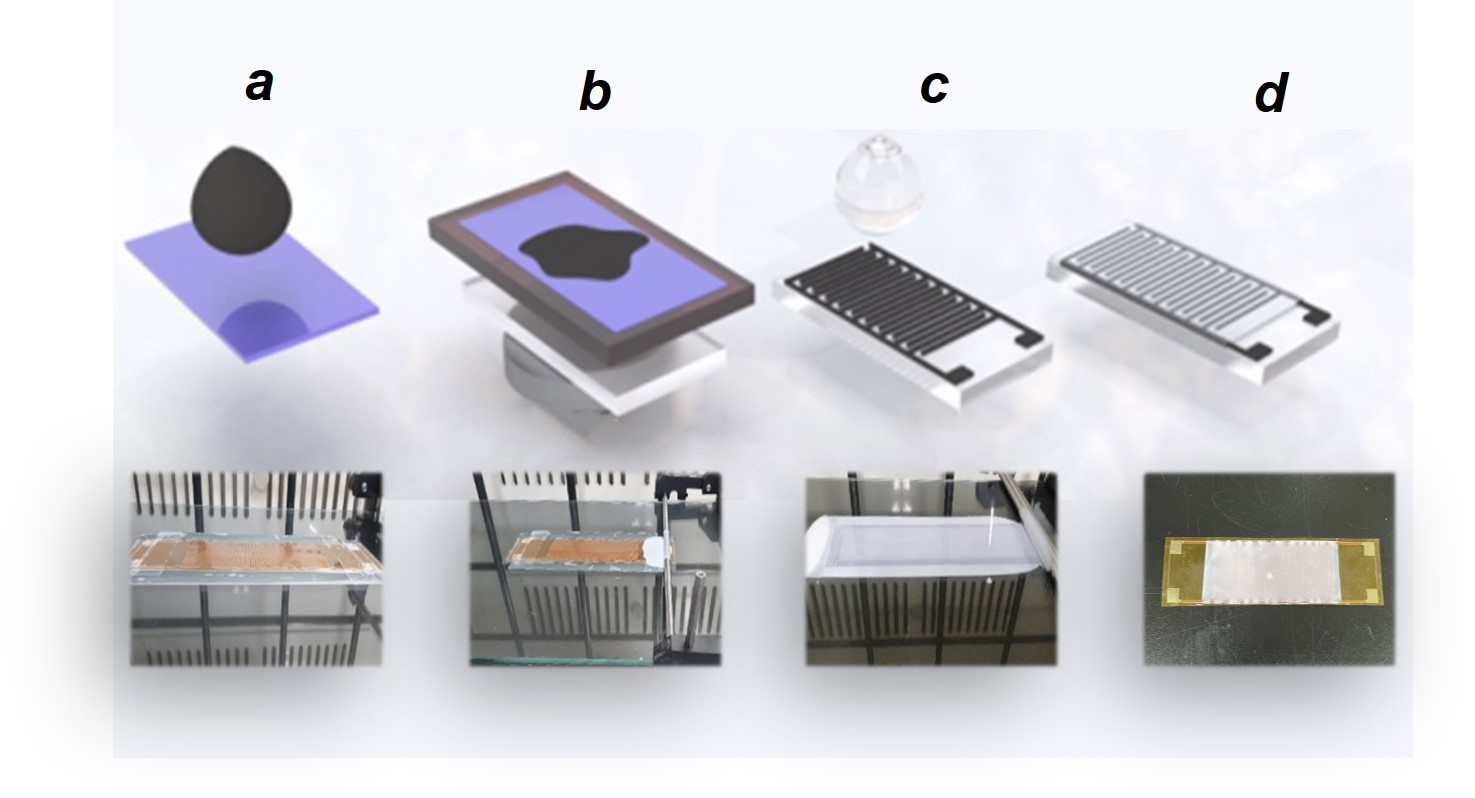
Fig. 4 — Insulation layer fabrication using RDS 26 bar coater. Nanoparticle (BaTiO₃, Al₂O₃, SiO₂) mixture is applied uniformly at 10.0 mm/s and cured at 125°C for 1 hour.
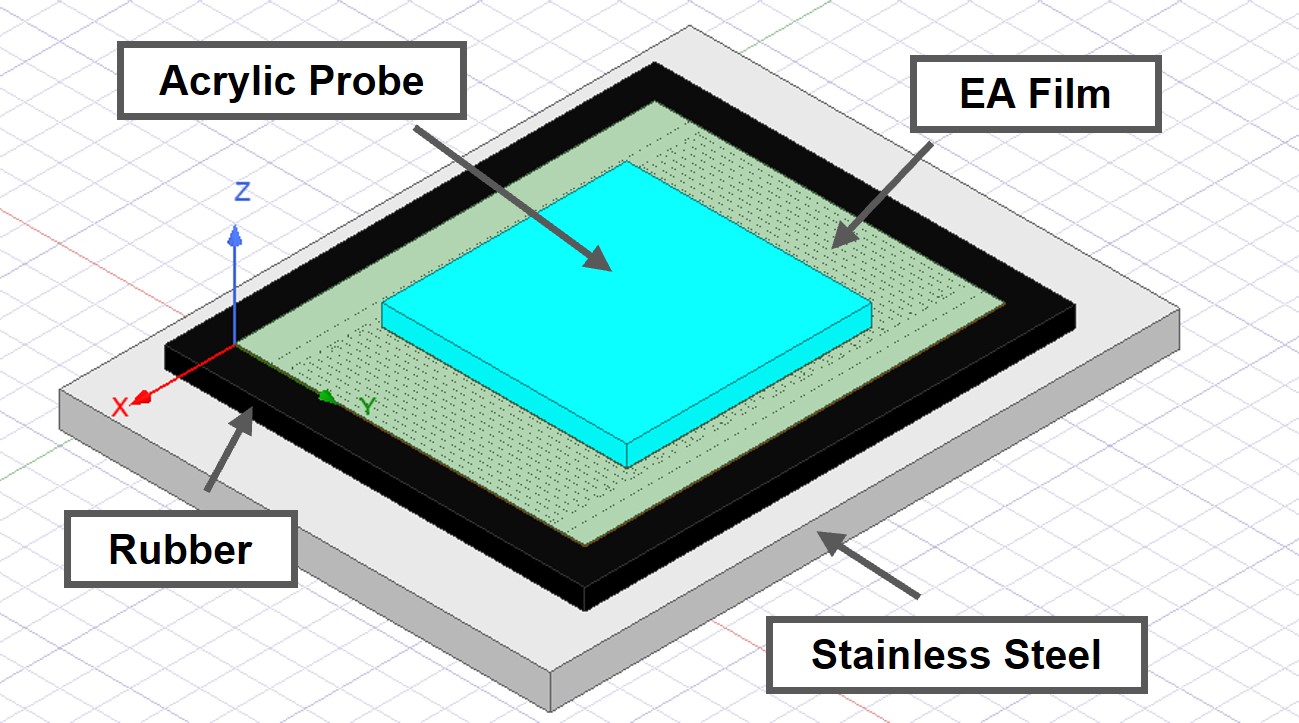
Fig. 5 — Ansys Maxwell simulation environment for studying EA film geometry (electrode width: 1–2.5 mm).
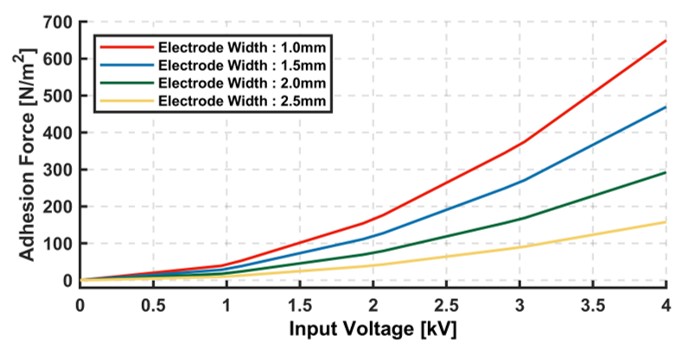
Fig. 6 — Simulation results: adhesion force vs. input voltage for different electrode widths. 1 mm electrode width produced the highest force due to higher edge density per unit area.
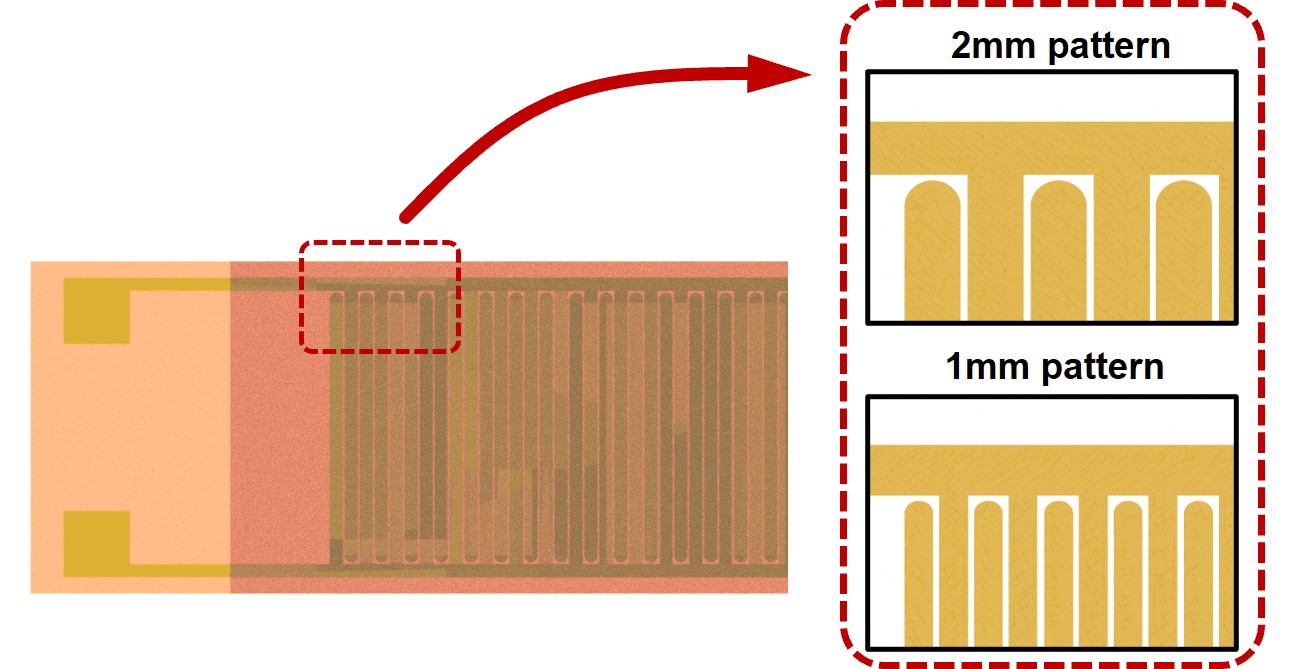
Fig. 7 — Two electrode pattern types: 1 mm and 2 mm width. The 1 mm pattern achieves approximately twice the electrode density, yielding stronger adhesion.
Environmental Characterization
Humidity Effect
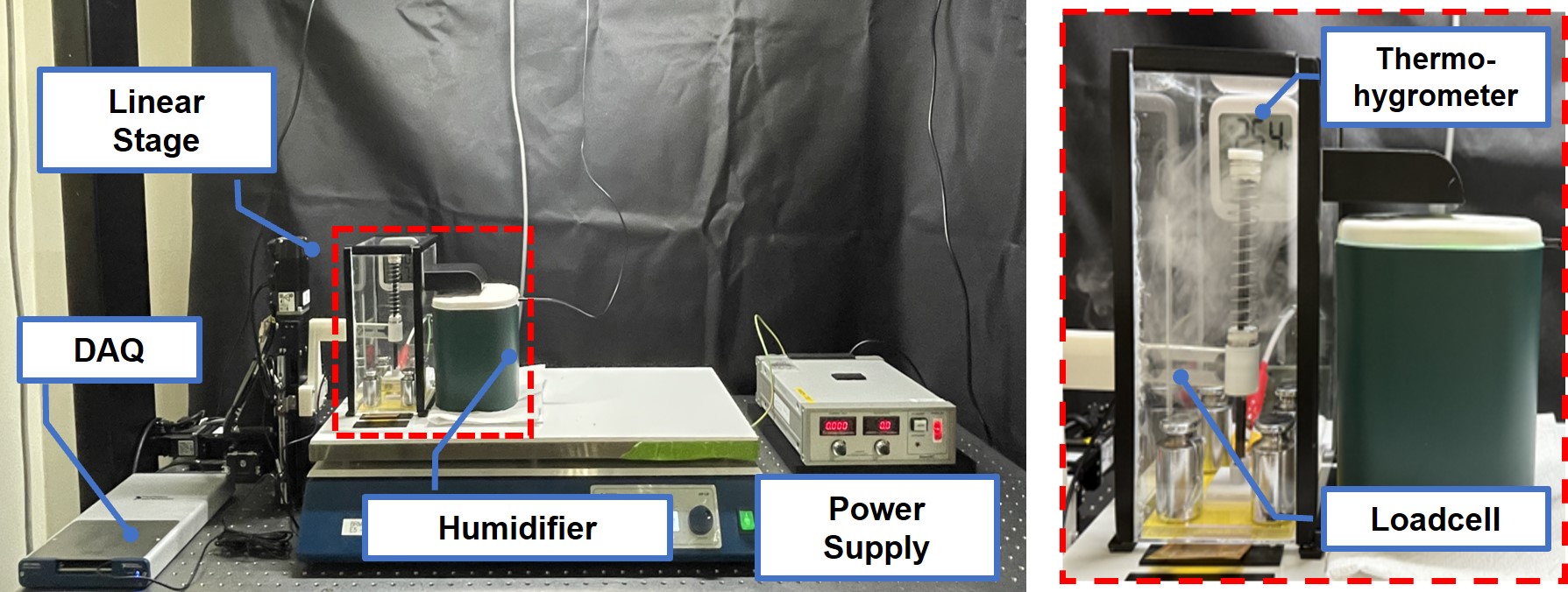
Humidity experiment setup — controlled chamber with humidifier, load cell, and DAQ. Constant temperature 25.5 ± 0.4°C, humidity varied from 55% to 90% RH.
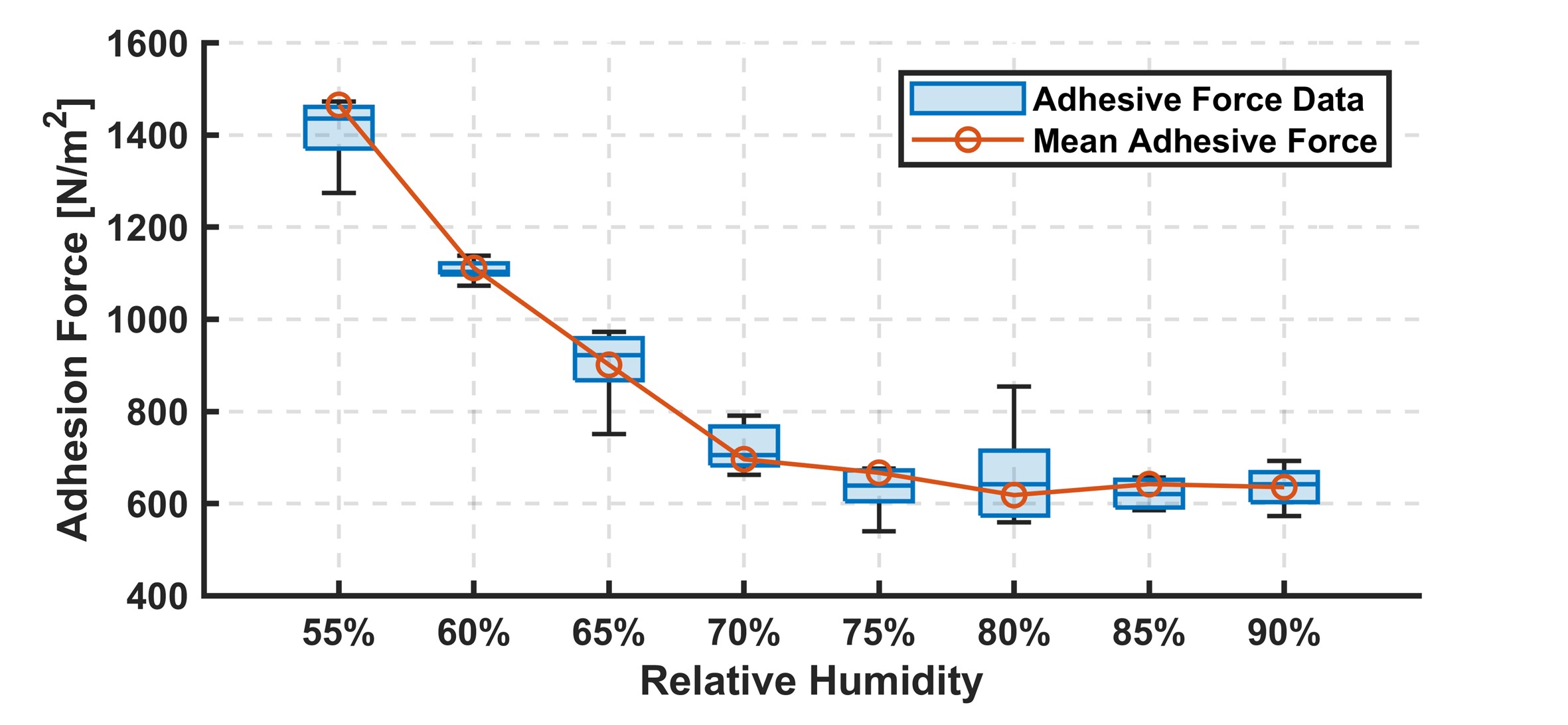
Effect of relative humidity on adhesion force. Force decreases as humidity increases from 55% to 80%, converging to a minimum at ~80% RH. Lower humidity enhances EA force.
Temperature Effect
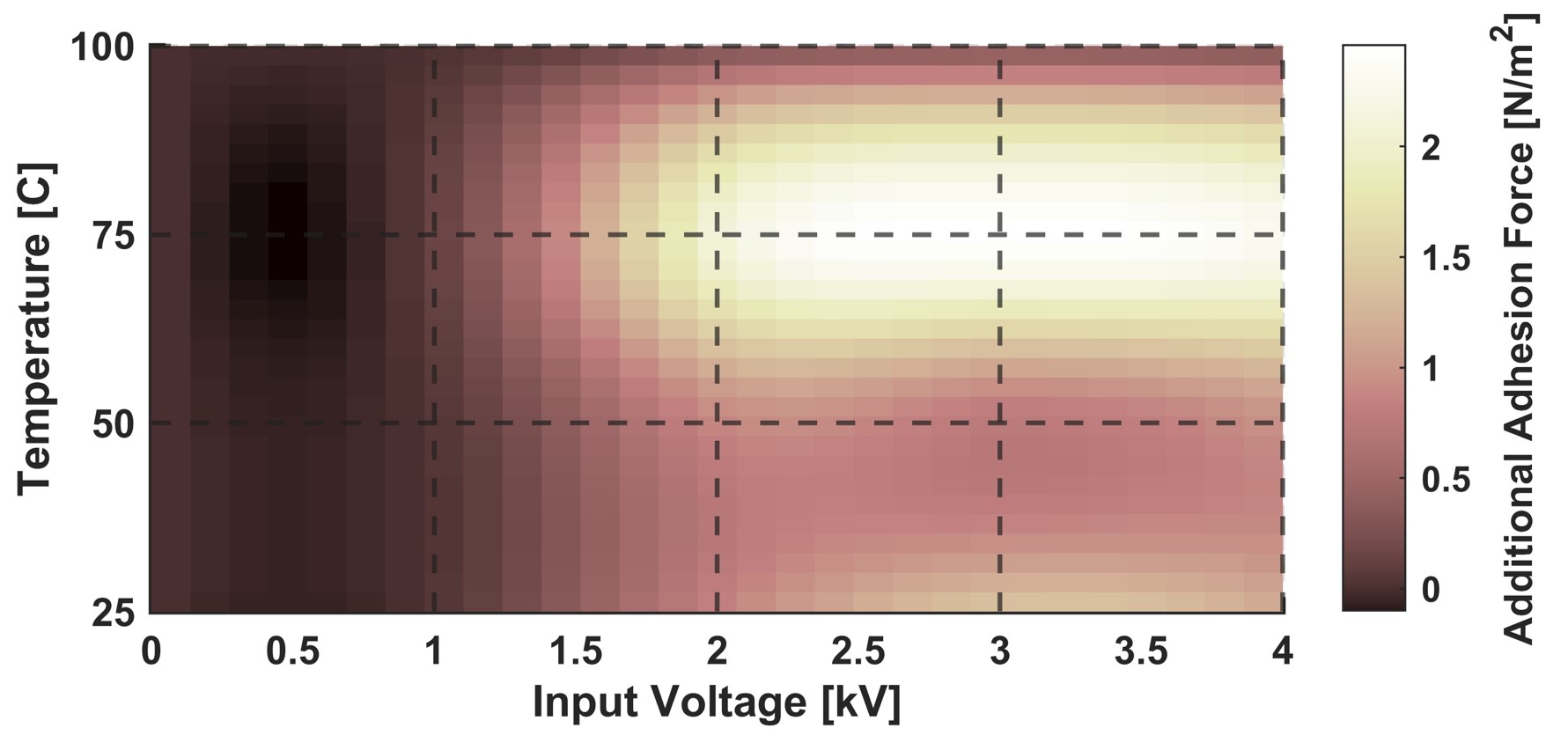
Surface graph: additional adhesion force (N/m²) as a function of input voltage and temperature. Notable increase at ~75°C before breakdown at higher temperatures.
Gripping Performance
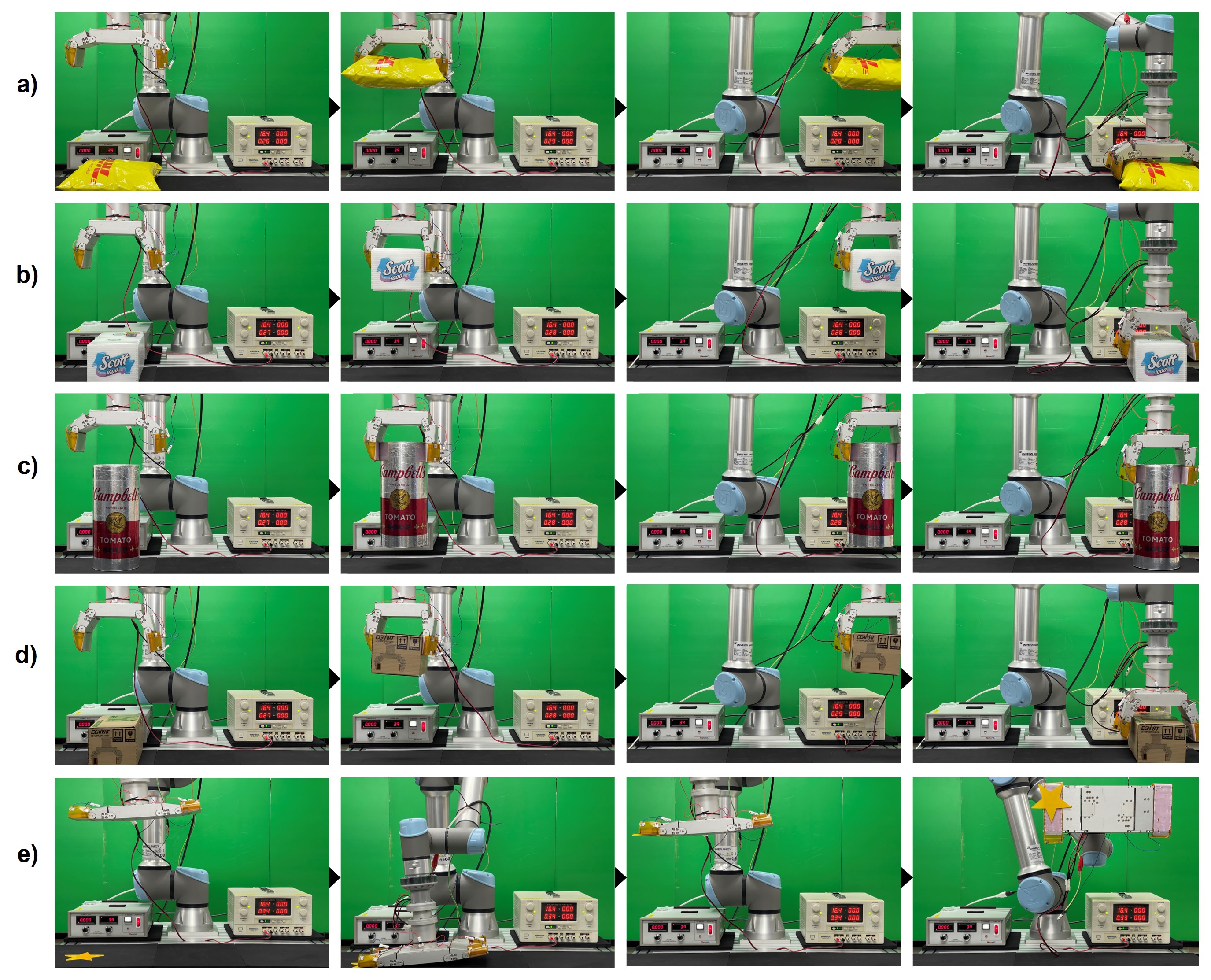
Gripping experiments on various logistics objects: LDPE packaging, polypropylene boxes, aluminum cans, paper boxes, and thin acrylic plates. The EA film hybrid gripper successfully handled all tested materials.
Last updated: March 2026